Welding machine manufacturers really play a huge role in today’s industry. They’re the ones providing the gear that keeps everything ticking, kinda like the backbone for sectors from construction sites to car factories. I remember hearing John Smith, a pretty well-known expert in the field, say, 'The quality of welding machines can make or break your production pace.' That really hits home, doesn’t it? It just shows how important it is to go for reliable manufacturers.
In today’s busy market, companies like Automatic Construction Mesh Welding Machine Manufacturers China are pretty essential. They come up with smart solutions that help things run smoother and can even cut down costs. That said, not everyone out there sticks to the same high standards. Some are more focused on making a quick buck, which can lead to products that are kinda sketchy—sometimes they even stop production altogether.
Every day, the industry faces all sorts of challenges. Manufacturers need to stay on top of new tech and changing market needs. The road forward's not always smooth sailing, and the drive to be the best can sometimes distract companies from what really matters—that is, quality. Honestly, it’s so important for welding machine makers to step back sometimes, check how they’re doing, and put quality first over just speed or profit. After all, a good machine is worth a lot more in the long run.

The Importance of Welding Machines in Modern Industry
Welding machines play a vital role in modern industry. They are essential for construction, automotive, and infrastructure development. According to a report by Grand View Research, the global welding equipment market is expected to reach $25.51 billion by 2025. The importance of these machines cannot be overstated, as they are the backbone of manufacturing processes.
Automatic Fence Mesh Panel Welding Machine Manufacturers contribute significantly to this growth. These machines make production faster and more efficient. They can operate continuously, providing consistent quality and reducing labor costs. However, not every manufacturer adapts quickly to technological advances, which can hinder their competitiveness in an ever-evolving market.
Moreover, sustainability is becoming a concern in the welding industry. Efficient machines reduce waste and energy consumption. A report from the American Welding Society highlights that improved welding processes can decrease carbon footprints. Yet, many manufacturers lag in adopting these eco-friendly practices. Striking a balance between efficiency, quality, and sustainability remains a challenge for the industry.
Key Functions of Welding Machine Manufacturers
Welding machine manufacturers play a vital role in various industries. They design and produce machines that are essential for joining metals. In 2021, the global welding equipment market was valued at approximately $25 billion. This figure is expected to reach $38 billion by 2028, reflecting a growing demand.
Their key functions include research and development. Manufacturers must innovate to keep pace with advancements in technology. For instance, new machines now incorporate automation and digital features. This can increase efficiency and reduce human error. However, many manufacturers still struggle with integrating these technologies effectively. This leads to higher costs and potential delays in production.
Another important function is providing technical support and training. Many companies lack skilled workers who can operate advanced welding machines. Manufacturers offer training programs to bridge this gap. Yet, there is often a disconnect between training quality and industry needs. In some cases, only 30% of operators feel confident in their skills after training. This indicates a persistent challenge for welding machine manufacturers in meeting workforce demands.
What is the Role of Welding Machine Manufacturers in Industry? - Key Functions of Welding Machine Manufacturers
| Function |
Description |
Importance |
| Design and Development |
Create innovative and efficient welding machines to meet industry standards. |
High demand for advanced technology improves productivity and quality. |
| Manufacturing |
Produce welding machines using quality materials and modern techniques. |
Ensures reliability and safety in industrial applications. |
| Sales and Distribution |
Market and sell welding machines to various industries globally. |
Facilitates access to welding technology for diverse manufacturing sectors. |
| Customer Support |
Provide technical assistance, maintenance, and training to users. |
Enhances user experience and machine longevity. |
| Research and Development |
Stay ahead of market trends by developing new products and technologies. |
Keeps manufacturers competitive in a rapidly evolving market. |
Types of Welding Machines and Their Applications
Welding machines are vital in various industries, including construction, automotive, and manufacturing. There are several types of welding machines, each designed for specific applications. The most common types are MIG, TIG, and Stick welding machines. According to industry reports, MIG welding machines dominate the market, accounting for about 50% of welding equipment used today. They are popular for their ease of use and efficiency, especially in fabrication tasks.
TIG welding, while more complex, offers precision. This method is favored in industries that require
high-quality welds, such as aerospace and piping. Stick welding remains essential in outdoor applications, providing versatility in harsher environments. Recent data suggests that about
30% of welders still rely on Stick welding techniques for their reliability.
Although these machines are effective, there are challenges. For instance, the initial cost of advanced welding machines can be high, limiting access for smaller companies. Moreover, inadequate training can lead to improper use, creating
safety risks. Industries must address these issues to improve productivity and safety standards. The welding machine market is evolving, but it requires ongoing attention to ensure optimal use and innovation.
Quality Standards and Regulations in Welding Manufacturing
In the welding industry, quality standards and regulations are crucial. According to the American Welding Society, over 70% of welding defects arise from insufficient compliance with these standards. This statistic highlights the need for strict adherence to guidelines when manufacturing welding machines. Compliance with standards like ISO 3834 can significantly reduce defects.
Every manufacturer must ensure their products meet minimum quality thresholds. The International Organization for Standardization indicates that certified welding processes enhance reliability and performance. Moreover, companies that prioritize quality see a boost in productivity of up to 20%. However, not all manufacturers align their practices with these standards. This gap presents a significant risk for industries relying on the functionality of welding machines.
Non-compliance can lead to severe consequences. For example, accidents may occur, resulting in expensive downtime and repairs. Data from industry reports shows that companies face an average of 30% higher costs when rework is necessary. Hence, welding machine manufacturers play a pivotal role in promoting a culture of quality and safety. Their adherence to regulations is essential for minimizing risks and ensuring operational efficiency.
Quality Standards in Welding Manufacturing
Innovations in Welding Technology by Manufacturers
Innovations in welding technology have transformed various industries, providing new opportunities and efficiencies. The rise of
Automatic Fence Mesh Panel Welding Machine Manufacturers China
is a prime example. Their equipment enhances production speed and precision, reducing material waste. Data from industry reports indicate that such innovations can increase productivity by up to 30%.
The focus on automation has led to significant advancements. These machines integrate smart technology, allowing real-time monitoring and adjustments. This capability helps reduce human error. However, challenges remain. Not all manufacturers have embraced these innovations, leading to inconsistent quality across the market. As companies seek to modernize, some may struggle with the transition, causing dips in production efficiency.
Moreover, increased automation raises concerns about job displacement. While machines enhance productivity, they can limit employment opportunities. Industry reports suggest that as many as 25% of welding jobs could be impacted. Manufacturers must balance these technological advancements with a commitment to workforce development. Addressing these issues is crucial for a sustainable future in the welding industry.
The Role of Service and Support in Welding Machine Supply
Welding machines play a crucial role in various industries. However, their effectiveness heavily relies on the service and support from manufacturers. Many buyers underestimate the importance of after-sales service. Well-structured support can make a significant difference in a company's productivity.
For instance, regular maintenance checks can prevent costly downtime. It’s vital for companies to ensure spare parts are available.
Automatic Fence Mesh Welding Machine Manufacturers often offer tailored solutions to address specific needs. Their expertise ensures that equipment runs smoothly and efficiently.
Tip: Always inquire about the level of customer support during your purchase. A solid service agreement can save you time and money in the long run. Reflect on your current equipment and its support system. Is it enough to keep your operations running smoothly? Remember, investing in support is just as important as the initial purchase.
Economic Impact of Welding Machine Manufacturers on the Industry
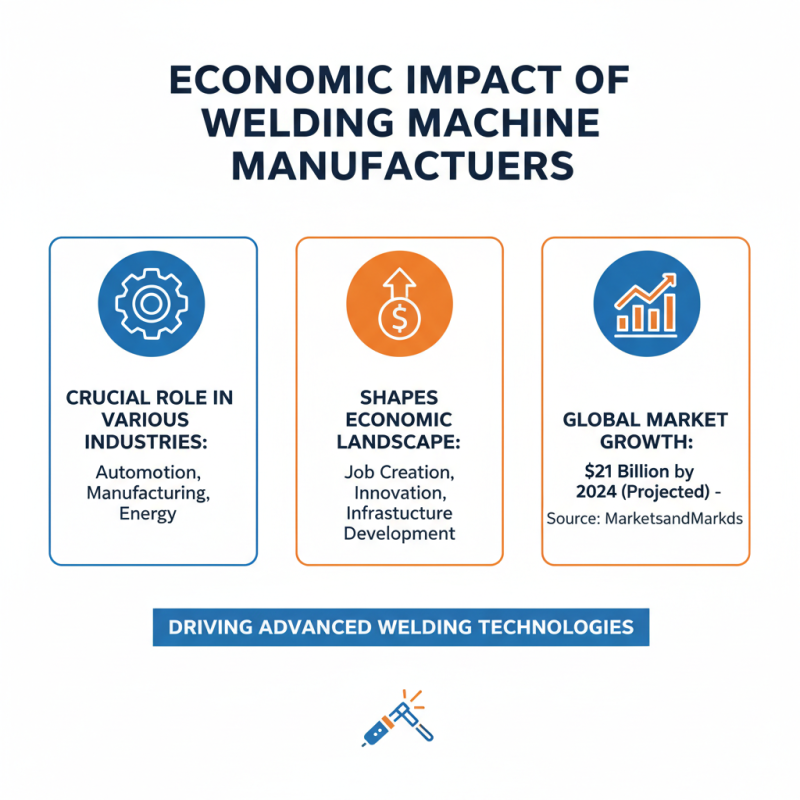
Welding machine manufacturers play a crucial role in various industries. Their contributions significantly shape economic landscapes. According to a report by MarketsandMarkets, the global welding equipment market is projected to reach $21 billion by 2024. This growth reflects the rising demand for advanced welding technologies.
In China, automatic reinforcing mesh welding machine manufacturers are at the forefront. These companies innovate to meet industry needs. They provide cost-effective solutions that enhance productivity. However, this progress is not without challenges. Many manufacturers struggle with the high cost of research and development. This can hinder their ability to innovate.
The economic impact of these manufacturers is multifaceted. They not only create jobs but also stimulate local economies. A study by IBISWorld highlighted that the welding industry supports over 300,000 jobs in the United States alone. However, as the industry evolves, there is a need for manufacturers to adapt. Inefficiencies in production processes may arise, requiring reflection on best practices and operational strategies.
Maximize Your Savings: Top Galvanized Gabion Baskets Machine & Chicken Wire Netting Machine Deals
In the current landscape of landscaping and construction, maximizing savings while acquiring essential equipment is more important than ever. Among the standout solutions are galvanized gabion baskets and chicken wire netting machines, which have become essential for both large-scale operations and individual projects. The global market for gabion baskets is projected to grow significantly, with a report indicating an anticipated CAGR of over 5% from 2023 to 2029, reflecting the increasing demand for sustainable and cost-effective building materials.
Galvanized gabion baskets offer durability and corrosion resistance, making them ideal for various applications including erosion control, landscaping, and structural support. The efficiency of modern machine production has allowed contractors to reduce costs and improve productivity. Similarly, chicken wire netting machines are indispensable for fencing and poultry management, providing effective solutions for both gardens and farms. According to industry analysis, the chicken wire market is expected to see a rise in demand, forecasted to exceed $1.2 billion by 2027, driven by increasing agricultural and gardening activities.
Investing in advanced machinery not only improves the quality of output but also enhances operational efficiency. By prioritizing cost-effective solutions like galvanized gabion baskets and chicken wire netting machines, businesses can remain competitive while maximizing their savings. With the constant evolution of technology, now is the perfect time to explore these options for your next project, ensuring you harness both value and performance.
FAQS
: The main types are MIG, TIG, and Stick welding machines. Each serves specific applications.
MIG machines are popular for their ease of use and efficiency. They dominate the market with significant usage.
TIG welding is favored in aerospace and piping. It offers high precision for quality welds.
High initial costs limit access. Inadequate training can lead to safety risks and improper machine use.
Innovations enhance production speed. They can also increase productivity by up to 30% and reduce material waste.
Increased automation may cause job displacement. Up to 25% of welding jobs could be affected by technological advancements.
Proper training ensures safe and effective use. Lack of training can result in accidents and productivity loss.
They create jobs and stimulate local economies, supporting over 300,000 jobs in the U.S. welding industry alone.
High research and development costs can hinder innovation. Many companies struggle to keep up with market demands.
They need to reflect on best practices and operational strategies. Addressing inefficiencies is crucial for growth.
Conclusion
Welding Machine Manufacturers play a crucial role in modern industry by providing essential equipment that meets diverse welding needs across multiple sectors. These manufacturers contribute significantly to operational efficiency, enabling various applications from construction to automotive production. They are responsible for not only producing different types of welding machines but also ensuring they adhere to stringent quality standards and regulations, which guarantees safety and reliability in welding processes.
Moreover, the impact of innovations in welding technology spearheaded by these manufacturers drives advancements in efficiency and effectiveness, often resulting in cost savings for businesses. The support and service provided by Welding Machine Manufacturers further enhance the value of their products, ensuring that clients can maintain productivity and minimize downtime. Overall, the economic influence of these manufacturers is profound, as they not only support thousands of jobs but also contribute to the growth and development of the industrial landscape.