
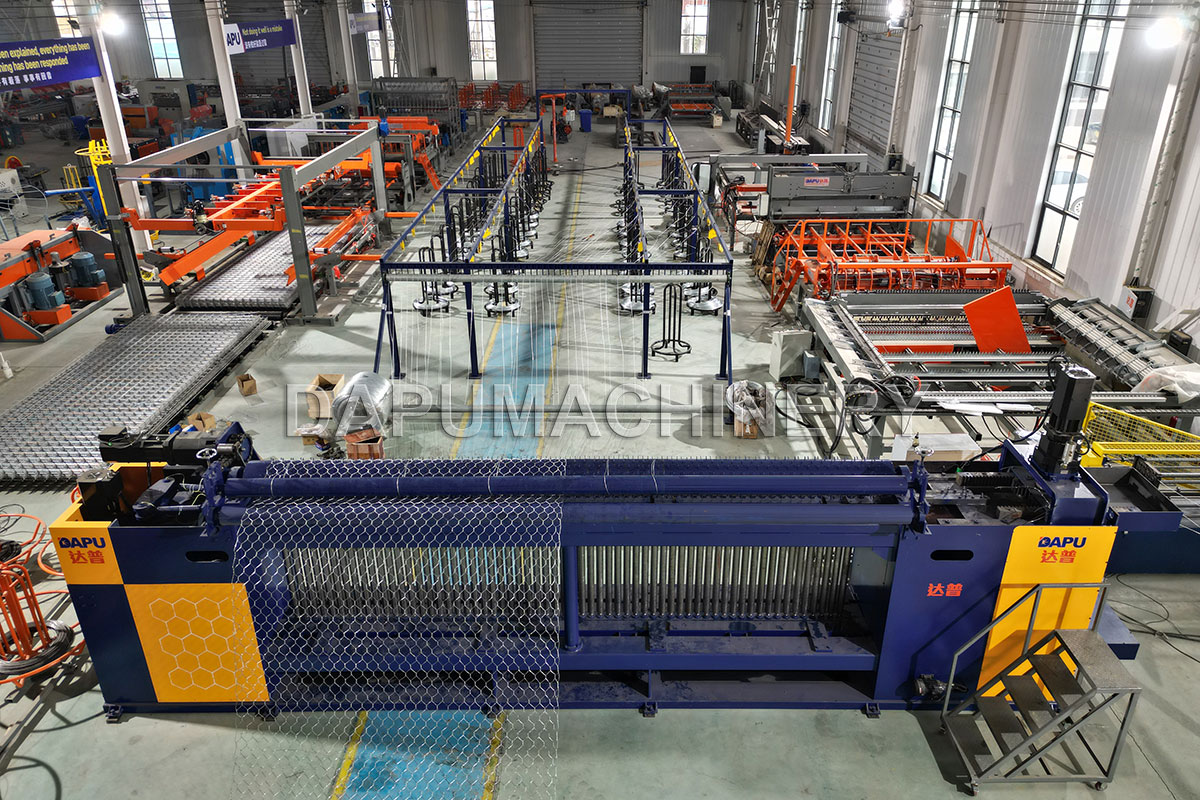
Gabion mesh has become one of the most widely used materials in modern infrastructure and environmental protection projects. From riverbank stabilization and slope protection to highway construction and retaining walls, gabion baskets are used across the world.
As governments invest heavily in flood control, erosion protection, and sustainable infrastructure, the demand for gabion mesh products continues to grow rapidly.
For entrepreneurs, steel wire mesh producers, and construction material suppliers, starting a gabion mesh manufacturing business can be a highly profitable opportunity.
In this guide, we will explain everything you need to know:
- Market opportunities
- Required machinery
- Raw materials
- Production process
- Factory setup
- Investment costs
- Profit potential
This guide is written from the perspective of wire mesh machinery engineers and industry experts.
1. What Is Gabion Mesh?
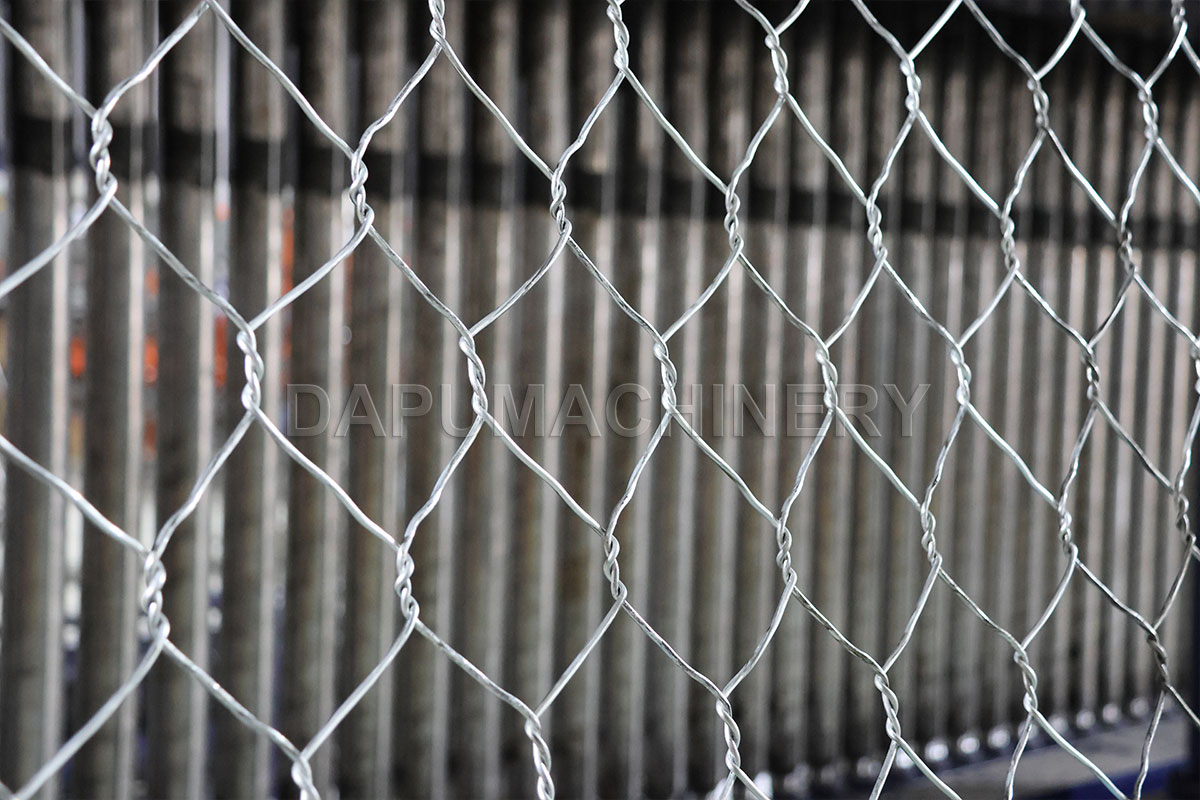
Gabion mesh is a double twisted hexagonal wire mesh used to manufacture gabion baskets or mattresses. These baskets are filled with stones and used in civil engineering applications.
Key Features of Gabion Mesh
• High tensile strength
• Excellent corrosion resistance
• Flexible structure
• Long service life
• Environmentally friendly
Common Applications
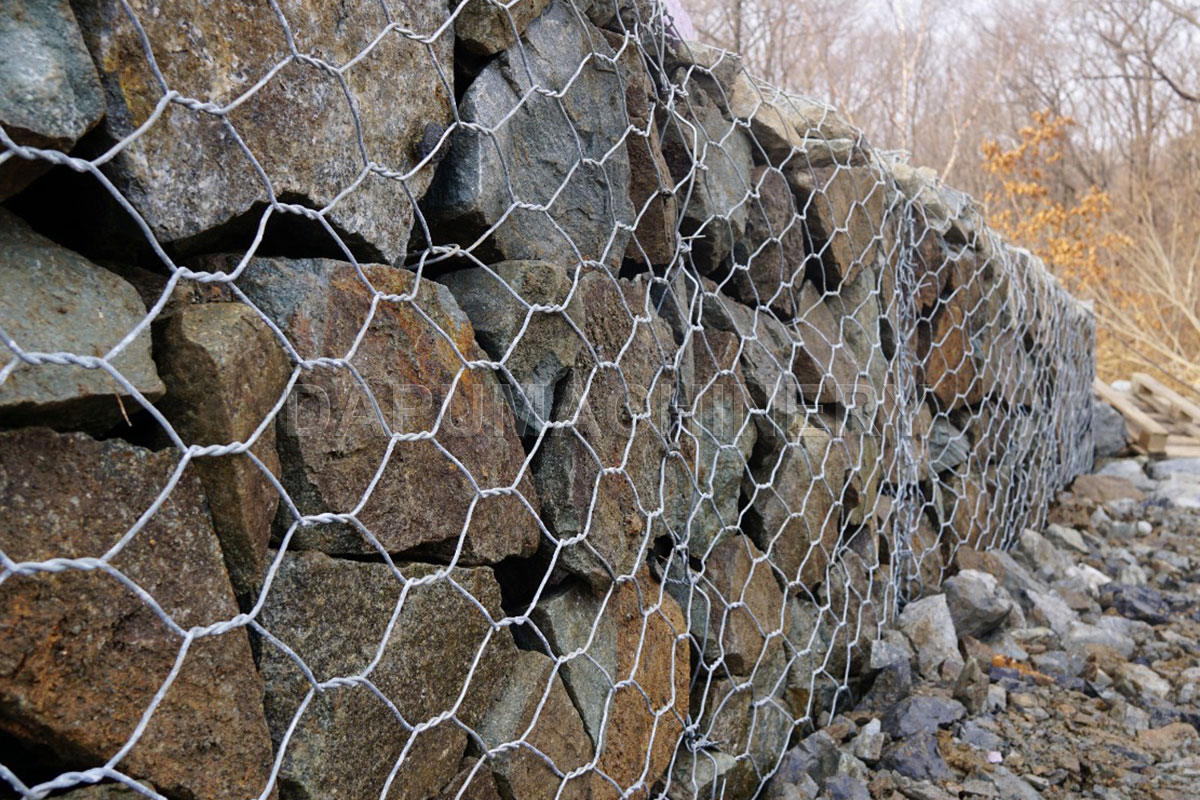
Riverbank Protection
Gabions stabilize riverbanks and prevent soil erosion.
Retaining Walls
They are widely used in highway and railway construction.
Flood Control Projects
Gabion baskets help control water flow and reduce flood damage.
Slope Stabilization
Used in mountainous areas to prevent landslides.
Because of these advantages, the global demand for gabion mesh continues to grow, creating opportunities for new manufacturers.
2. Market Demand for Gabion Mesh
The gabion industry is closely related to infrastructure construction and environmental engineering.
Many countries are investing heavily in:
- Flood protection systems
- Coastal defense
- Highway construction
- Railway infrastructure
- Mining projects
Major markets include:
- Africa
- South America
- Southeast Asia
- Middle East
- Eastern Europe
For example:
• River protection projects in Africa
• Highway construction in South America
• Mining infrastructure in Australia
All these projects require large quantities of gabion baskets and gabion mattresses.
As a result, local production of gabion mesh is becoming increasingly profitable.
3. Raw Materials Required for Gabion Mesh Production
The main raw material for gabion mesh manufacturing is steel wire.
Common Wire Types
Galvanized Steel Wire
The most commonly used material. It offers good corrosion resistance.
Galfan Wire
Galfan wire contains zinc and aluminum coating, providing stronger protection.
PVC Coated Wire
Used in harsh environments such as coastal areas.
Typical Wire Specifications
Wire Diameter
2.0 mm – 4.0 mm
Mesh Opening
60×80 mm
80×100 mm
100×120 mm
Edge Wire
Usually thicker than mesh wire for reinforcement.
Selecting high-quality wire is critical for producing durable gabion baskets.
4. Machines Required for Gabion Mesh Manufacturing
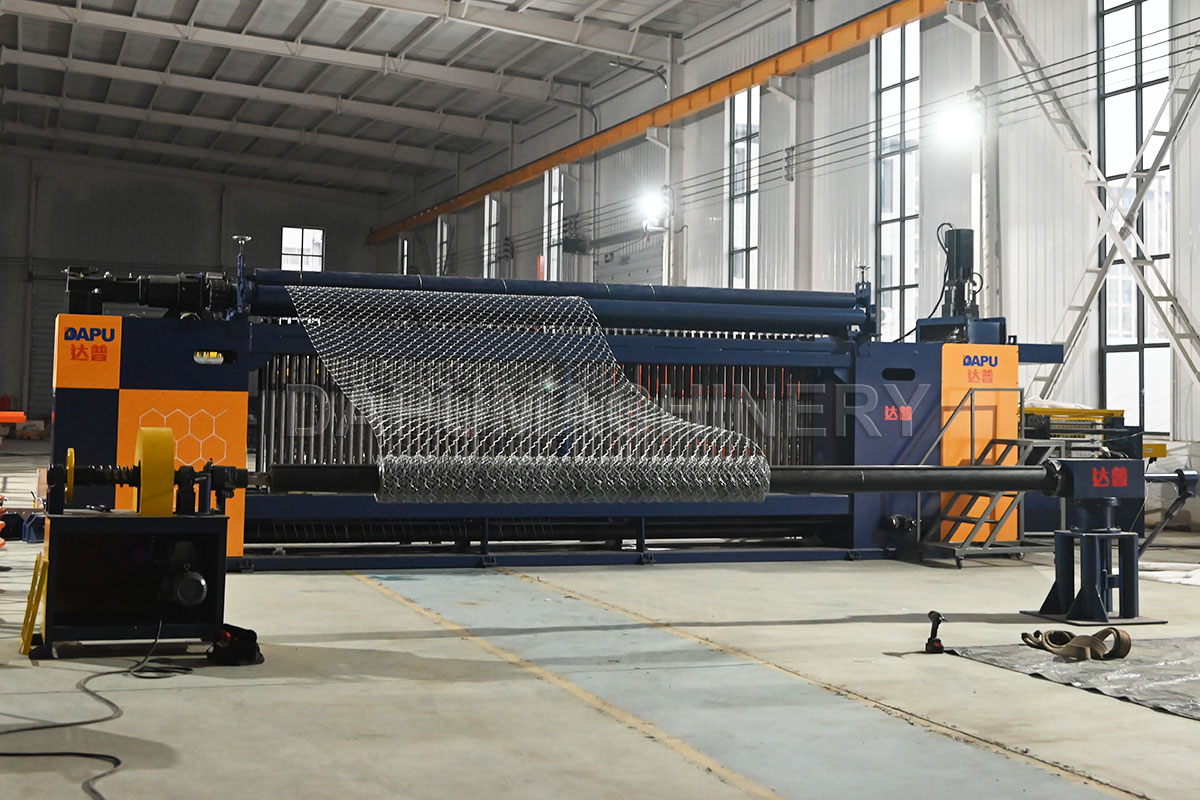
To start a gabion production factory, several types of machines are required.
This is the core machine used to produce double twist hexagonal mesh.
Functions include:
- Automatic wire feeding
- Double twisting
- Mesh weaving
- Mesh winding
Modern machines can achieve high-speed continuous production.
Typical Machine Features
• Automatic lubrication system
• PLC control system
• Stable double twist structure
• High production efficiency
A high-quality gabion machine can significantly improve production efficiency and reduce labor costs.
4.2 Wire Drawing Machine
If you plan to process wire rod yourself, you will need a wire drawing machine.
Functions:
- Reduce wire diameter
- Improve wire strength
- Prepare wire for weaving
Many factories purchase 6.5mm wire rod and draw it to required diameters.
4.3 Wire Galvanizing Line
Some manufacturers also install galvanizing lines to produce galvanized wire in-house.
Advantages:
- Lower raw material cost
- Better quality control
- Higher profit margins
However, this requires larger investment.
4.4 Mesh Cutting Machine
After weaving, the mesh must be cut into required sizes for gabion baskets.
Cutting machines help:
- Improve production efficiency
- Ensure accurate dimensions
4.5 Gabion Box Assembling Equipment
After cutting the mesh, workers assemble gabion baskets using:
- binding wire
- spiral wire
- lacing tools
Some factories also use semi-automatic assembly machines.
5. Gabion Mesh Manufacturing Process
The production process for gabion mesh is relatively straightforward.
Step 1 – Wire Rod Preparation
Steel wire rod is purchased from steel mills.
Typical diameter:
6.5 mm
Step 2 – Wire Drawing
Wire drawing machines reduce the wire diameter to required sizes.
Example:
6.5 mm → 2.7 mm
Step 3 – Galvanizing or Coating
The wire is coated to improve corrosion resistance.
Common coatings:
- hot-dip galvanized
- galfan
- PVC coated
Step 4 – Mesh Weaving
The gabion machine weaves the wire into double twist hexagonal mesh.
Step 5 – Mesh Cutting
The mesh is cut into required dimensions.
Step 6 – Basket Assembly
Workers assemble the mesh panels into gabion boxes.
6. Factory Layout and Space Requirements
A typical gabion mesh factory requires:
Production Area
Wire storage area
Finished product storage
Office area
Recommended Factory Size
Small factory
1000 – 2000 m²
Medium factory
3000 – 5000 m²
Large factory
8000 m²+
Good factory layout improves production efficiency.
7. Investment Cost for a Gabion Mesh Factory
The total investment depends on production capacity.
Example Investment Estimate
Gabion Machine
$40,000 – $120,000
Wire Drawing Machine
$20,000 – $80,000
Cutting Machine
$5,000 – $20,000
Workshop Setup
$10,000 – $50,000
Raw Materials
$20,000+
Total investment for a small factory:
$80,000 – $200,000
Large production lines may require higher investment.
8. Profit Potential of Gabion Mesh Business
Gabion mesh products usually have stable demand and good profit margins.
Profit depends on:
• raw material price
• labor cost
• local market demand
• production efficiency
Many manufacturers supply gabion baskets to:
- construction companies
- government projects
- mining companies
With stable orders, the investment can often be recovered within 1–2 years.
9. How to Choose the Right Gabion Mesh Machine
When selecting equipment, consider the following factors.
Production Speed
High-speed machines increase output and profitability.
Machine Stability
Stable machines reduce downtime and maintenance costs.
Automation Level
Automatic machines reduce labor requirements.
After-Sales Service
Reliable suppliers provide technical support and spare parts.
Working with experienced machinery manufacturers is essential for long-term success.
10. Future Trends in the Gabion Industry
The gabion industry is evolving with new technologies.
Key trends include:
Automation
Smart production lines
High-speed weaving machines
Environmentally friendly materials
As climate change increases the demand for erosion control and flood protection, gabion solutions will become even more important.
11. FAQ – Gabion Mesh Manufacturing
What machine is used to produce gabion mesh?
A double twist hexagonal wire mesh machine is used to produce gabion mesh.
What wire diameter is used for gabion mesh?
Most gabion mesh uses wire between 2.0 mm and 4.0 mm.
What is the standard gabion mesh size?
Common mesh openings include:
60×80 mm
80×100 mm
100×120 mm
How much does a gabion mesh machine cost?
Depending on the model and automation level, the price usually ranges from:
$40,000 to $120,000.
Is the gabion mesh business profitable?
Yes. With stable construction demand and relatively simple production processes, gabion mesh manufacturing can be highly profitable.
12. Conclusion
Starting a gabion mesh manufacturing business is an excellent opportunity for entrepreneurs and construction material suppliers.
With the right equipment, reliable raw materials, and efficient production processes, a gabion mesh factory can supply products for infrastructure projects worldwide.
Investing in high-quality gabion mesh machines is the key to ensuring stable production, high output, and long-term profitability.
Post time: Mar-13-2026